

Behind the Scenes: How Carbon Fibre Yacht Equipment Is Made
Carbon fibre has become closely associated with modern superyacht equipment, combining low weight with the strength and design flexibility required for demanding marine applications.
However, the finished product is only the final stage of a much longer process. Producing bespoke carbon fibre equipment for a superyacht requires careful design, engineering, material selection and manufacturing precision. From establishing the requirements of an individual yacht to checking the finished component before installation, every stage has an important role to play.
At multiplex, this process draws on decades of experience in carbon fibre yacht manufacturing and specialist yacht equipment engineering.
From Yacht Requirements to Engineering Design
Every superyacht project begins with the yacht itself. Unlike mass-produced marine equipment, components for large yachts frequently have to work around highly specific dimensions, deck layouts, operating requirements and aesthetic considerations.
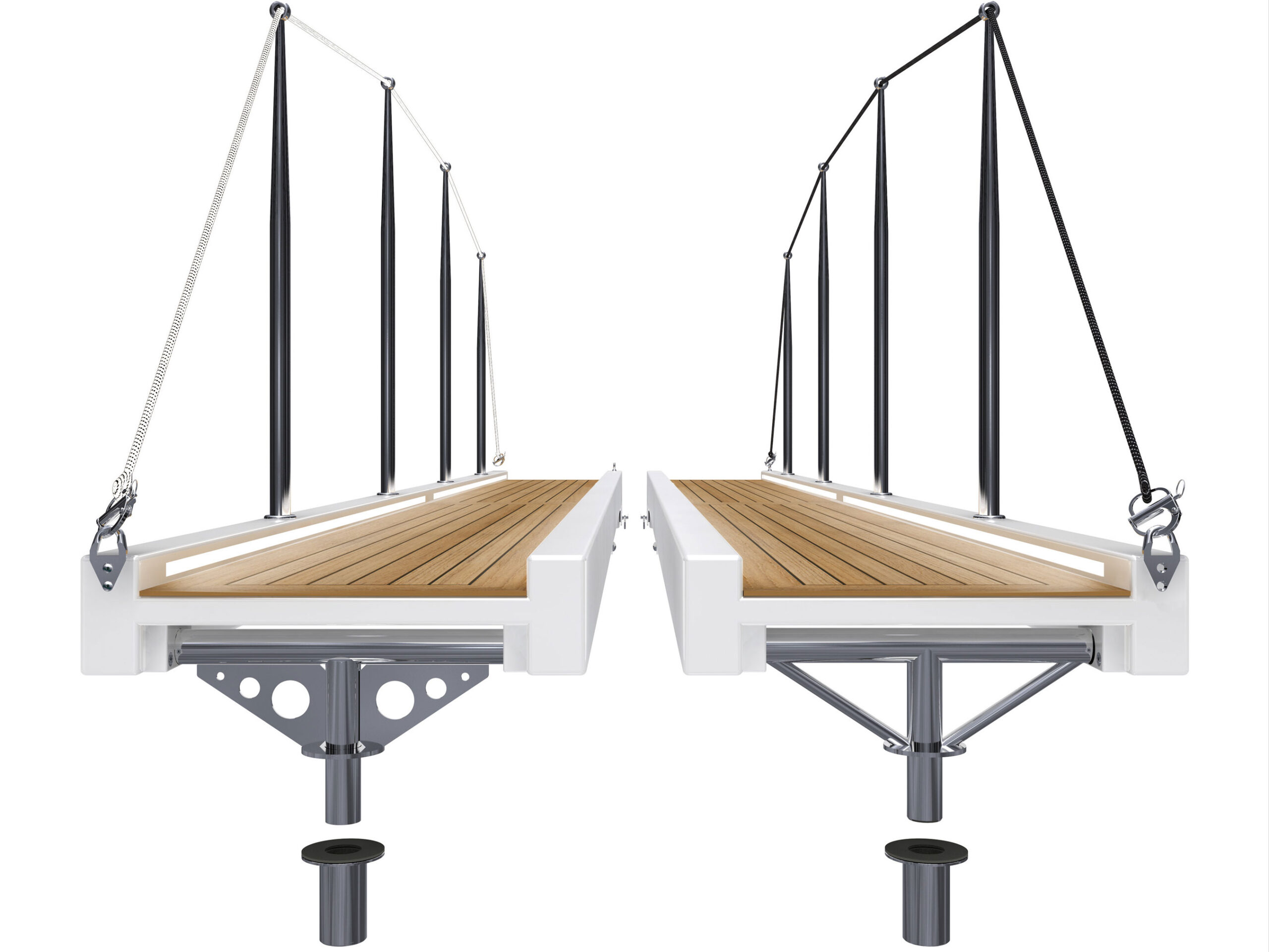
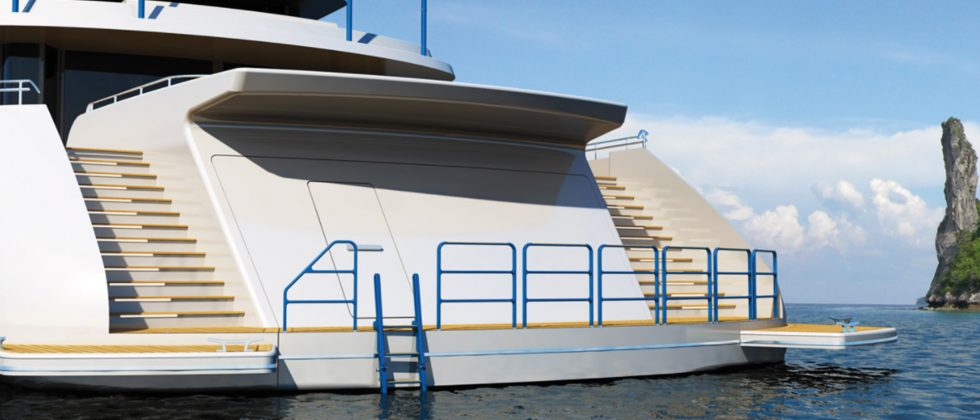
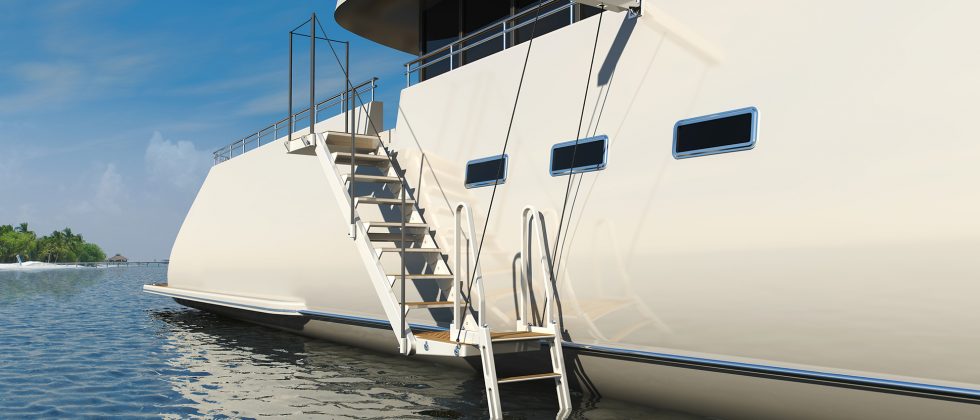
A gangway, for example, may need to meet particular requirements for length and width while also incorporating the correct deck surface, handrail configuration, colour and storage arrangement. multiplex’s multiflap carbon fibre gangway can therefore be configured with different dimensions, finishes, walking surfaces and stanchion options.
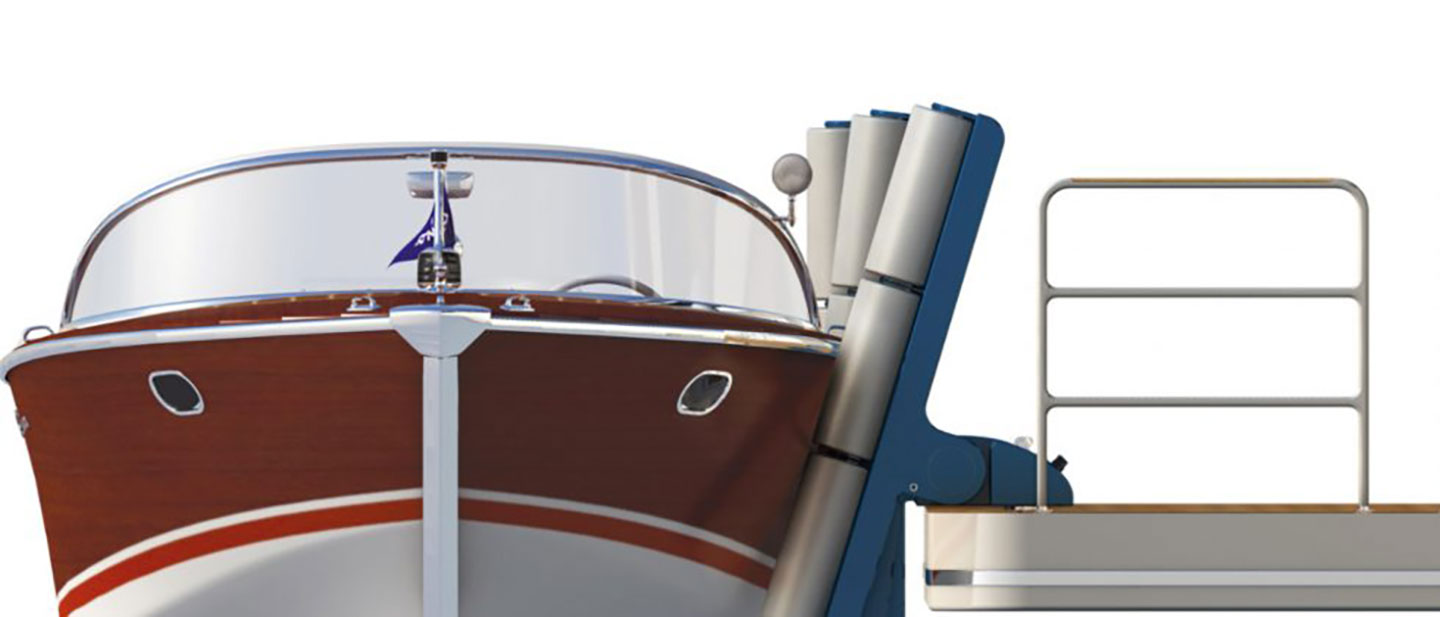
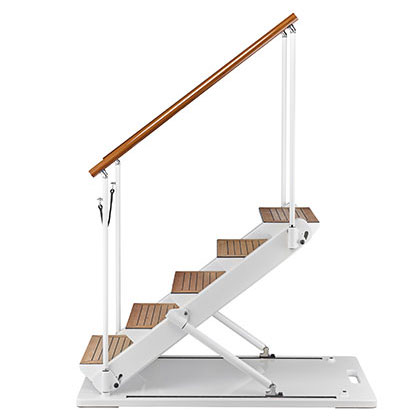
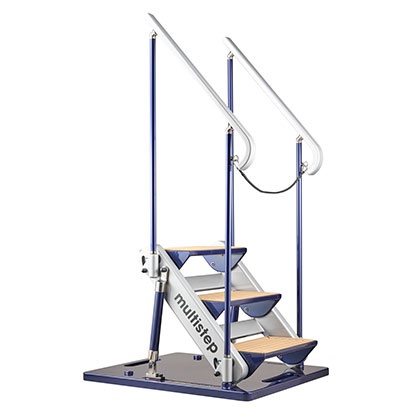
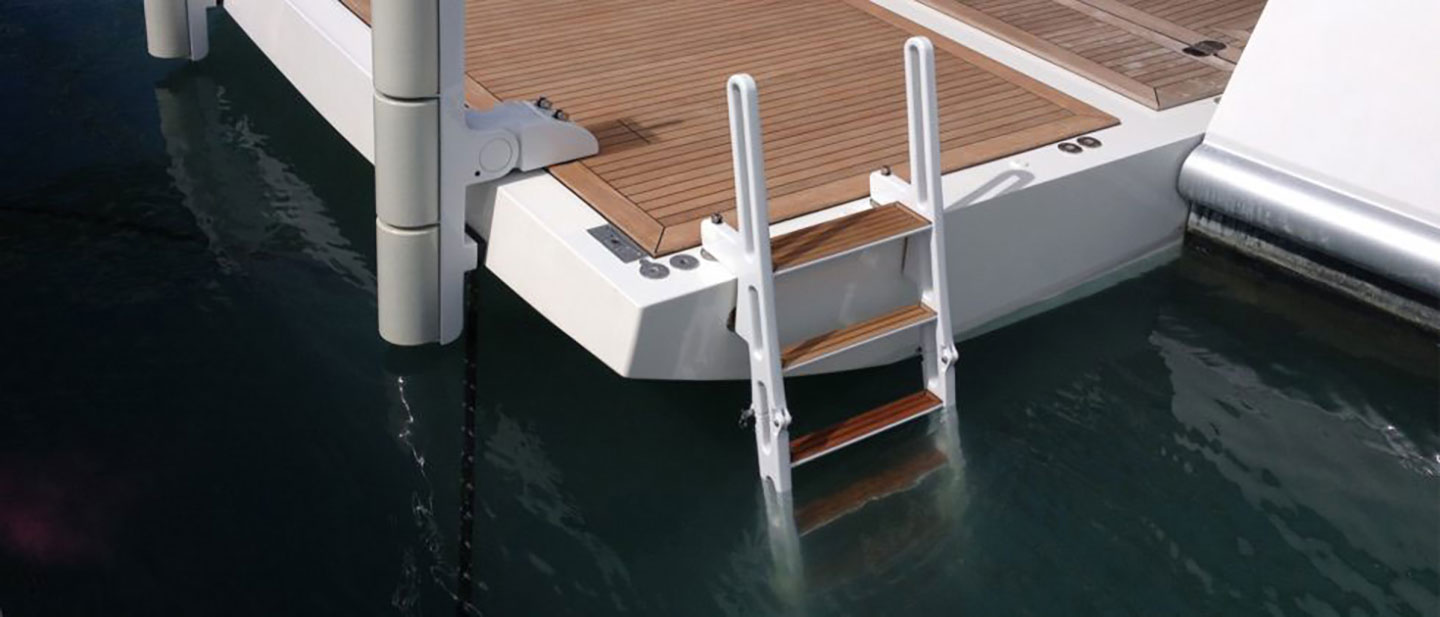
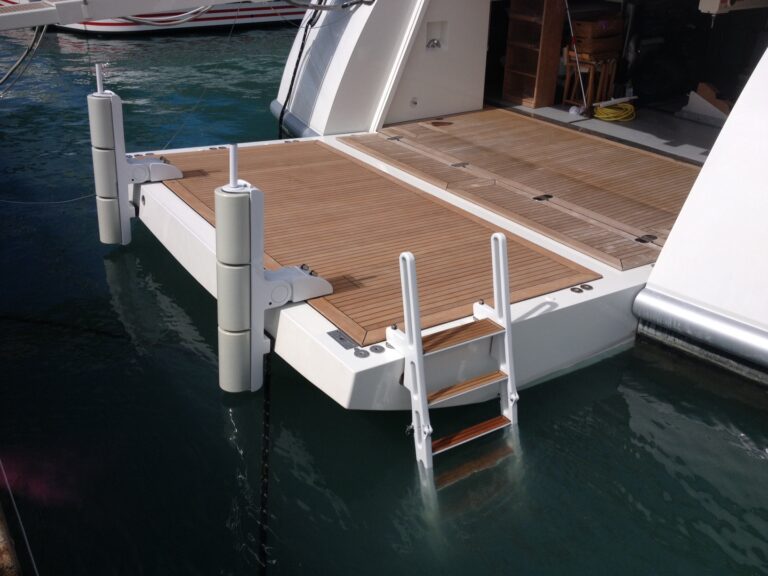
The same principle applies throughout the multiplex range. The multifender system is engineered around measurements including platform height, waterline and vessel characteristics, while the multiladder can be configured with different lengths, step widths, finishes and angles.
Before manufacturing begins, these requirements need to be translated into an engineered solution. multiplex’s design work includes 3D construction and component development using engineering tools including SolidWorks and PDM systems. This allows individual parts and assemblies to be developed around the requirements of the wider yacht rather than treating equipment as an isolated addition.
Building with Carbon Fibre
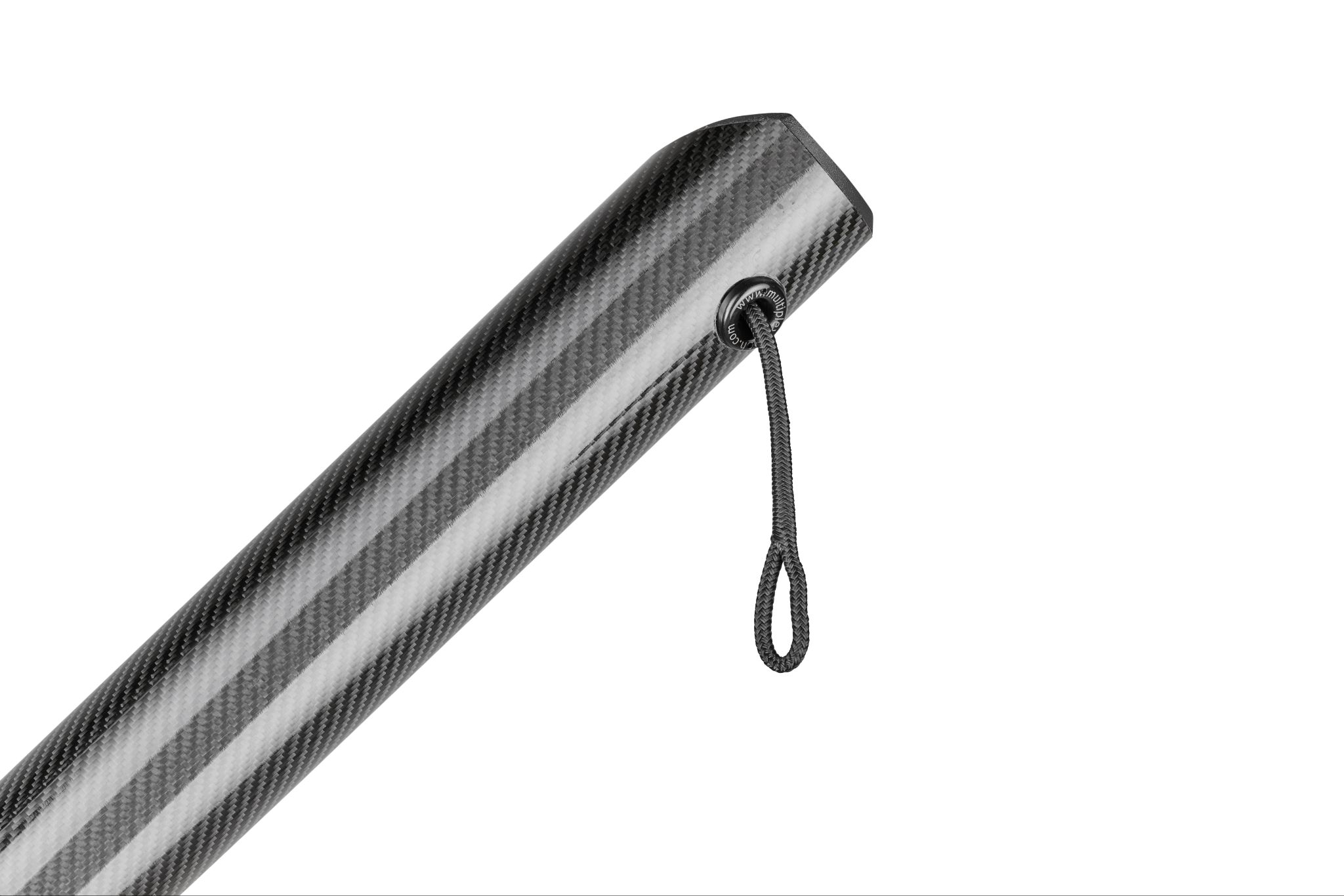
Once the design has been established, attention turns to the carbon fibre structure itself. Unlike conventional metal fabrication, composite construction is built around layers of reinforcing fibres combined with a resin system. The orientation and arrangement of these fibres play an important part in the mechanical characteristics of the finished component.
This makes the manufacturing stage particularly important. Carbon fibre needs to be formed accurately around the required geometry, while areas that will accommodate hinges, fittings, mounting points or other hardware must also be considered within the overall design.
The result is a structure capable of combining high strength with significantly reduced weight. multiplex has been working with carbon fibre since the company’s earliest years. Founder Jan Reiners began experimenting with the material while involved in competitive sailing, including producing a carbon fibre rudder blade for the racing yacht Outsider. That experience with
lightweight construction later became central to the development of multiplex equipment for the superyacht sector.
Precision Throughout Production
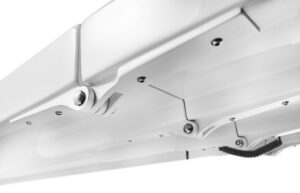
For yacht equipment, structural performance is only one part of the finished product. Dimensions have to be accurate. Moving components have to operate correctly. Fittings need to align with the yacht. Surface finishes also have to meet the visual standards expected on a modern superyacht.
This becomes particularly important with bespoke equipment. Even apparently small differences in deck geometry or mounting position can influence how a component fits and operates once it is on board. Precision during production therefore helps ensure that the finished system reflects both the engineering specification and the original design requirements.
It also allows carbon fibre components to be combined with materials and details such as stainless steel, titanium, teak surfaces, integrated lighting and customised finishes where required.
Quality Control and Testing
Quality control continues throughout the manufacturing process and into the finished product. Components need to be checked against their intended dimensions, configuration and functional requirements before they are delivered for installation.
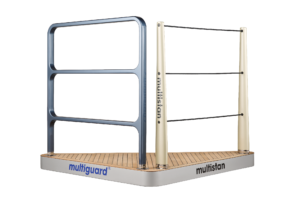
Testing requirements will depend on the type of equipment being produced. A boarding system, for example, must be capable of carrying the loads expected during normal operation. multiplex’s multiflap is available with an approved Lloyd’s Register load certificate, while the company’s multiguard carbon fibre railing system has been certified by Lloyd’s Register and is designed to withstand substantial lateral loading.
Functional checks are equally important. Gangways may incorporate folding mechanisms, stabilisation systems and handrails. Ladders need to provide secure and practical access. Fender systems have to deploy correctly and position protection where it is required. Testing therefore considers not only the material itself but how the complete system will perform when used on board.
Carbon Fibre Expertise in Bremen-Vegesack
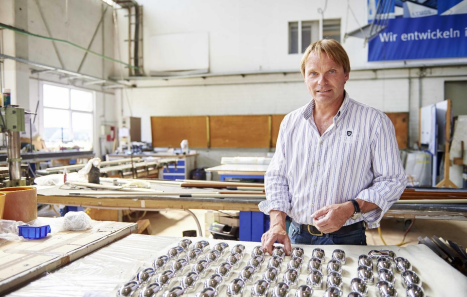
multiplex’s experience with carbon fibre stretches back to the company’s foundation in 1986. After training as a boatbuilder and competing successfully in international sailing, Jan Reiners began developing lightweight equipment from Bremen-Vegesack. What began with experimentation in lightweight racing components developed into specialist manufacturing for the superyacht sector.
Today, multiplex produces carbon fibre gangways, ladders, railings, fender systems, sun awning equipment and bespoke carbon solutions from Bremen. The company states that its team includes 20 designers and carbon specialists from eight nations.
That combination of design, engineering and manufacturing expertise allows projects to move from an initial requirement through to a finished piece of equipment developed specifically for the yacht on which it will be used.
From Concept to the Finished Yacht
The attraction of carbon fibre yacht equipment is easy to see in the finished product, what is less visible is the engineering and manufacturing work behind it. Every custom system begins with understanding how the equipment needs to function on board. That requirement must then be translated into a detailed design, manufactured accurately and checked before the finished system reaches the yacht.
For multiplex, decades of carbon fibre experience and yacht equipment engineering have made that process central to the way its products are developed. From lightweight boarding systems to bespoke carbon structures, the objective remains the same: equipment that fits the yacht, performs reliably and integrates naturally into the overall design.