

Custom Yacht Solutions: Why Off-the Shelf Falls Short
What happens when the equipment you need does not quite fit? Perhaps the available space is narrower than a standard product, the deck follows a curve, or the equipment needs to be concealed when not in use. The owner may simply have a different idea of how it should look.
On most vessels, these could mean compromises. On a superyacht, they do not have to. Custom yacht equipment is not about making a standard product look different. It is about creating a solution that meets your specific requirements.
The Problem With Starting From A Catalogue
Off-the-shelf products are designed around known dimensions and predictable applications. Superyachts are built around individual hulls, owners and design concepts.
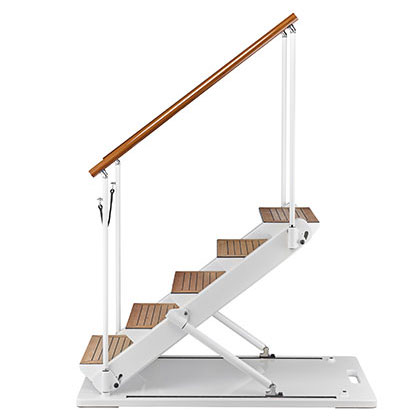
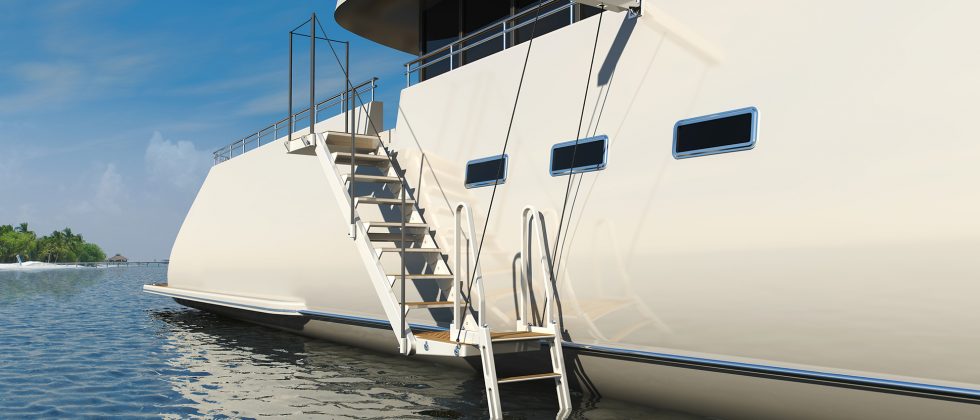
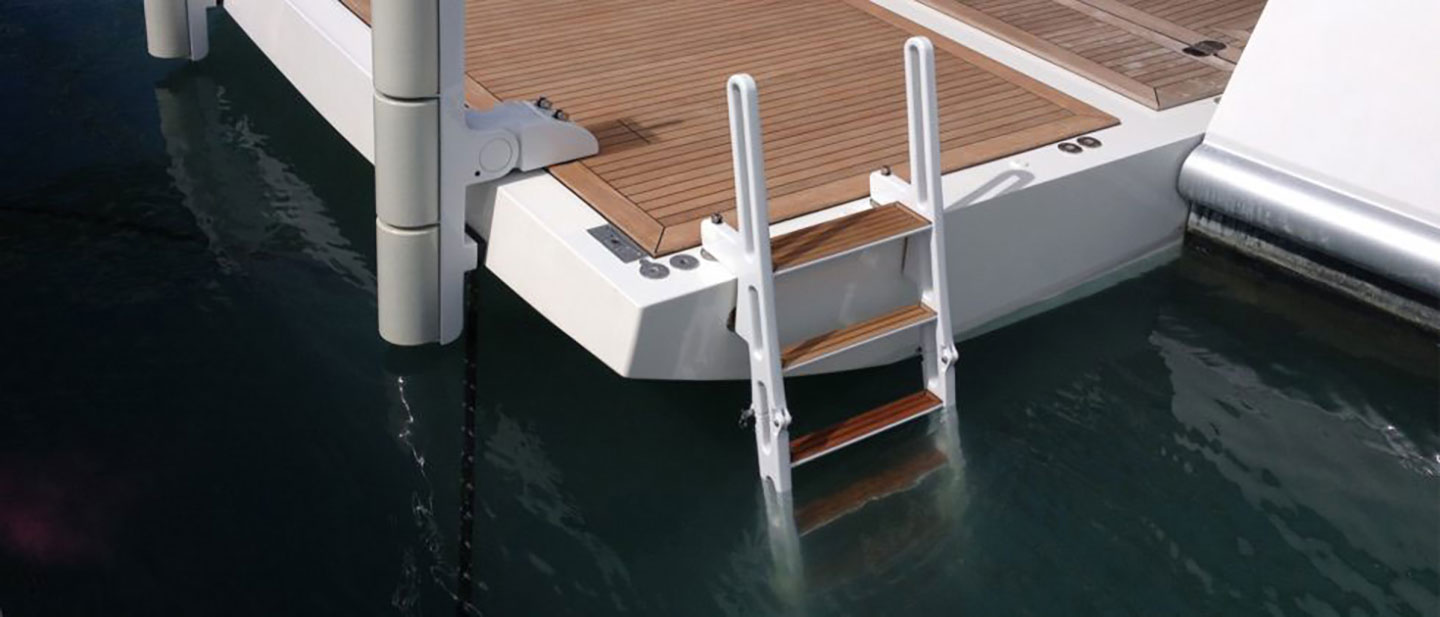
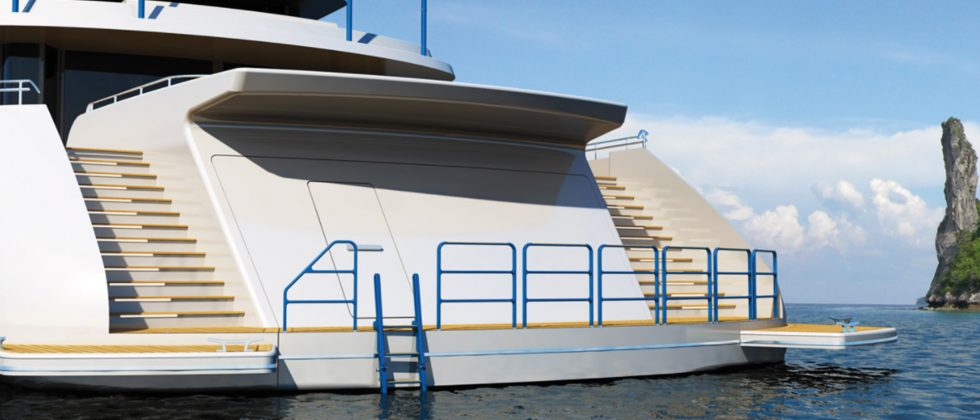
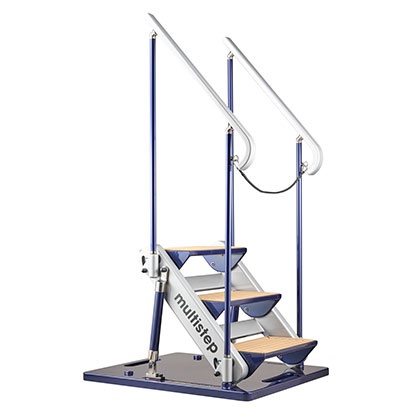
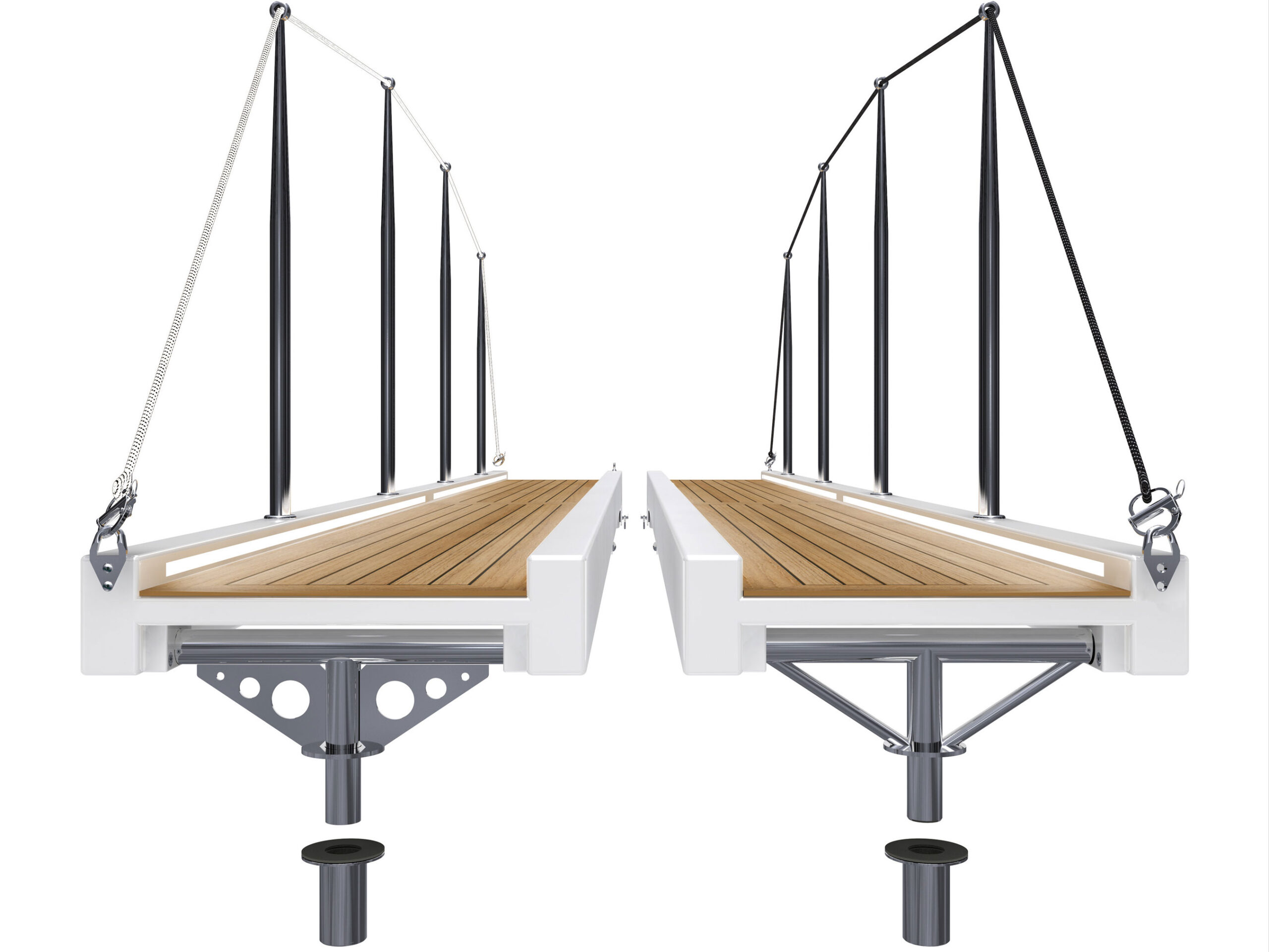
A boarding system may need to work from an unusual transom. A railing could follow a complex curve, while a fender system may need to accommodate a specific platform height. A sun awning might need to cover an area that does not follow standard geometry.
In these situations, starting with an existing product can mean adapting the yacht around the equipment. A bespoke approach reverses this: the yacht comes first.
Geometry Changes Everything
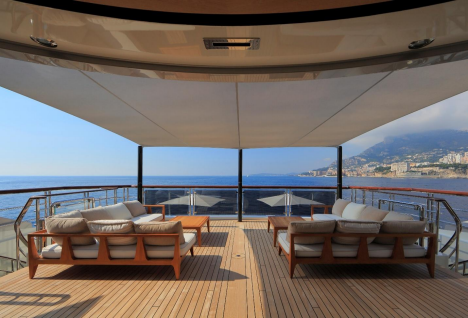
Exterior yacht design rarely consists of simple straight lines. Curves, angles, recesses, openings, and changing deck levels all affect how equipment can be integrated.
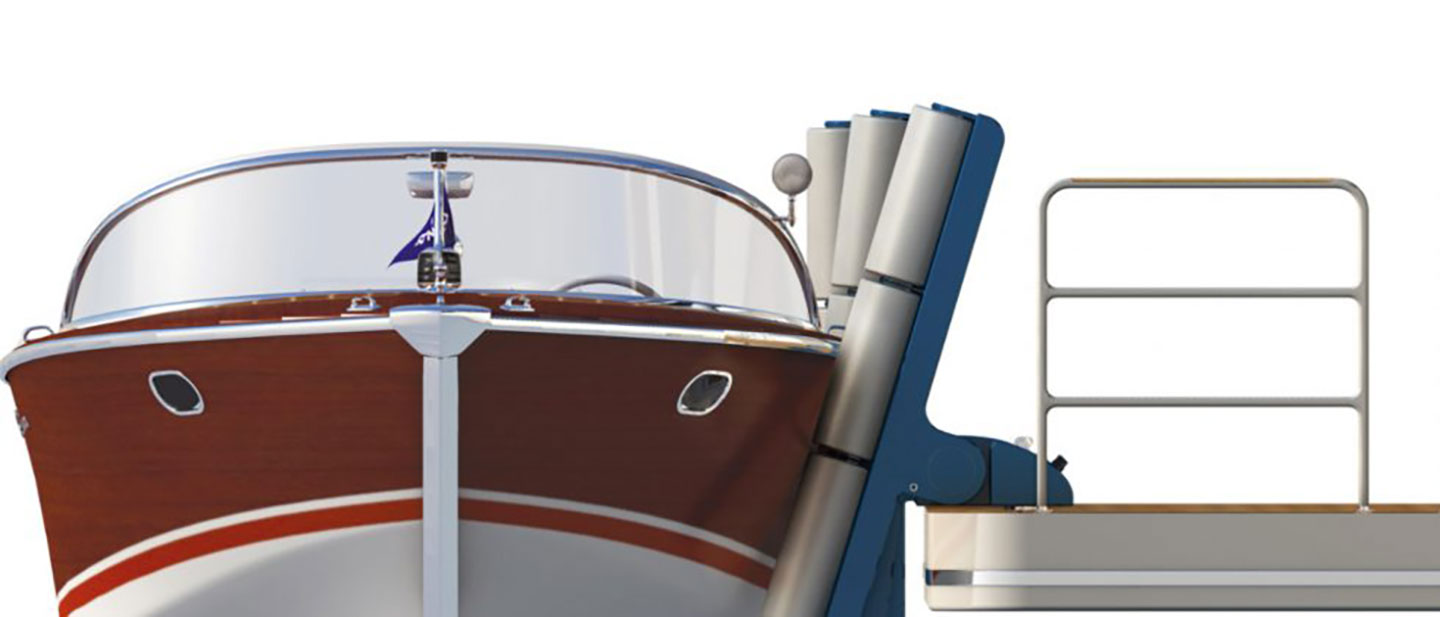
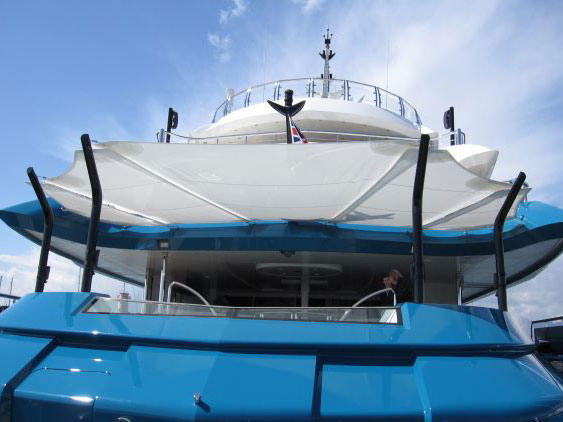
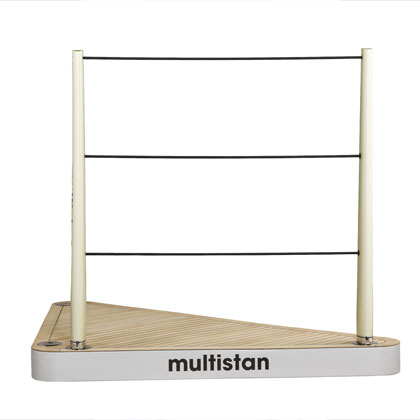
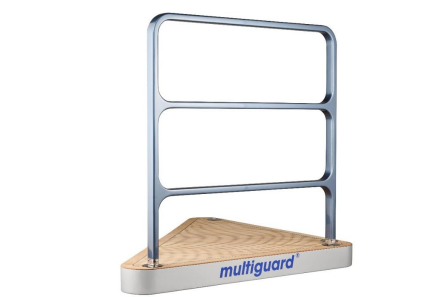
When equipment is designed around the geometry from the beginning, it can become part of the architecture rather than an addition to it. multiplex’s multiguard demonstrates this approach, with carbon fibre railings shaped to individual requirements, including curved and more unusual configurations.
What Does The Owner Want?
A technically correct solution is not necessarily the right one. Owners may have specific requirements for:
- Colour
- Finish
- Materials
- Proportions
- Storage
- Visibility
- Ease of operation
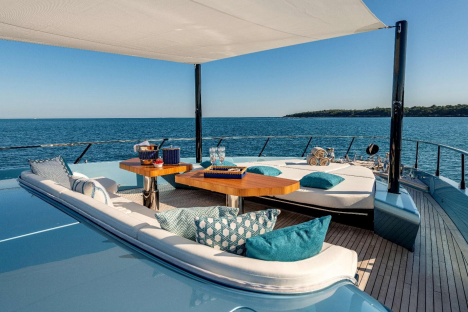
These preferences need to work alongside the practical requirements of the equipment. A product may need to disappear when not in use, or it may be designed as a feature in its own right. Bespoke yacht solutions allow these considerations to be addressed together.
Bringing The Design Team Together
Bespoke equipment works best when it is considered as part of the yacht rather than as an isolated purchase. The naval architect, design studio, shipyard, crew, and manufacturer each bring a different perspective to the project, from structure and aesthetics to installation and everyday use.
Drawing on this expertise early allows the equipment to be developed around the yacht from the outset. This is the basis of yacht design integration.
Rather than simply manufacturing a finished design, an experienced specialist can contribute during development. Storage, access, installation, and appearance can all be considered before production begins, helping avoid compromises later in the project.
From Idea To Finished Equipment
A successful custom project needs a clear process.
Understanding the Requirement
First, the practical need needs to be defined:
- What does the equipment do?
- Who will use it?
- How frequently?
- Under what conditions?
Understanding the Vessel
Next comes the yacht itself.
Dimensions, deck geometry, structure, access, and surrounding equipment all need to be considered.
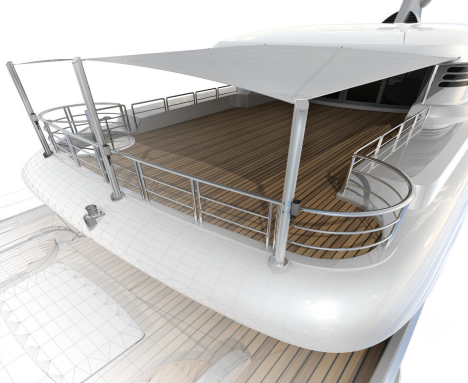
Developing the Design
Only then can the appropriate configuration, dimensions, materials, and finishes be established.
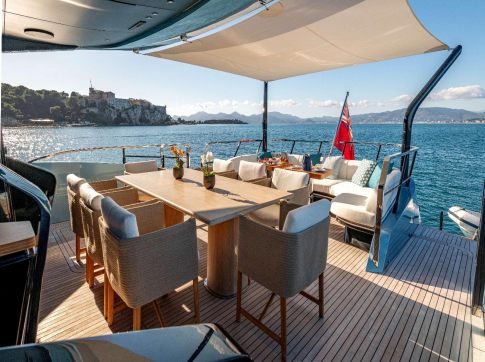
Manufacturing
Once the design is agreed, the solution can be produced specifically for the vessel.
Installation
Finally, the equipment needs to become part of the yacht.
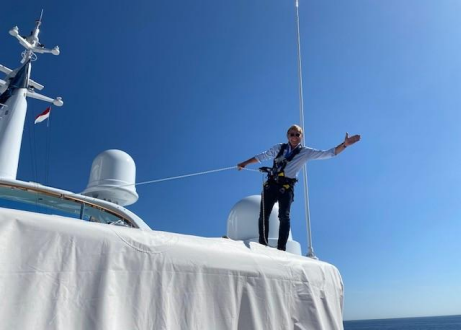
multiplex takes an end-to-end approach to your projects, from planning and manufacturing to installation.
Bespoke Does Not Mean Excessive
Customisation should remove compromises, not add complexity. Designing around the available space can simplify installation, while considering storage from the outset avoids having to accommodate the equipment later.
The result can be a simpler solution because it has been designed for the yacht from the beginning.
When Standard Is No Longer Enough
There is nothing inherently wrong with standard equipment. For many applications, it is the right choice. However, larger superyachts are bespoke projects and have requirements that a standard product was never designed to meet.
The question then becomes whether it is better to compromise around an existing product or develop something around the vessel itself. For unusual geometries, highly visible installations or particularly specific operational requirements, the latter can make more sense.
What Makes A Good Custom Solution?
A successful solution should not look complicated. It should look as though it belongs there. That is the real test of custom superyacht equipment.
Not how different it looks. How naturally it works.
Designed Around The Yacht
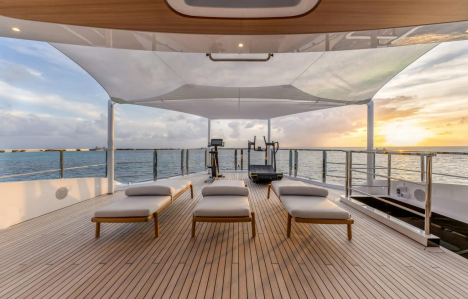
The most successful custom yacht equipment starts with the vessel rather than the catalogue. It considers geometry, operation, aesthetics, and installation together.
For owners, that creates greater freedom. For designers, it creates greater control. For shipyards and crews, it can remove compromises that would otherwise appear later in the project. For the finished yacht, it creates equipment that feels considered rather than added.
That is what makes bespoke yacht solutions worthwhile. Not simply making something unique. Making something that makes sense for the yacht.