

Rustproof Yacht Equipment: The Carbon Fibre Advantage
A yacht may spend weeks in a marina, days at anchor, and months exposed to salt-laden air. Throughout this time, every piece of equipment on deck must withstand constant exposure to the harsh marine environment.
Corrosion is an inevitable challenge on the water. Left unchecked, it can compromise appearance, affect performance, and increase maintenance demands. Over time, it can also add significantly to operating and replacement costs.
For this reason, selecting yacht equipment is about more than strength alone. It requires materials that are engineered specifically for life at sea.
Why Marine Corrosion Deserves Attention
Saltwater creates a particularly demanding environment for exposed equipment. Salt, moisture, and oxygen can accelerate corrosion in metals, particularly where water can collect around joints, fittings, and connection points. That makes exterior yacht equipment especially vulnerable.
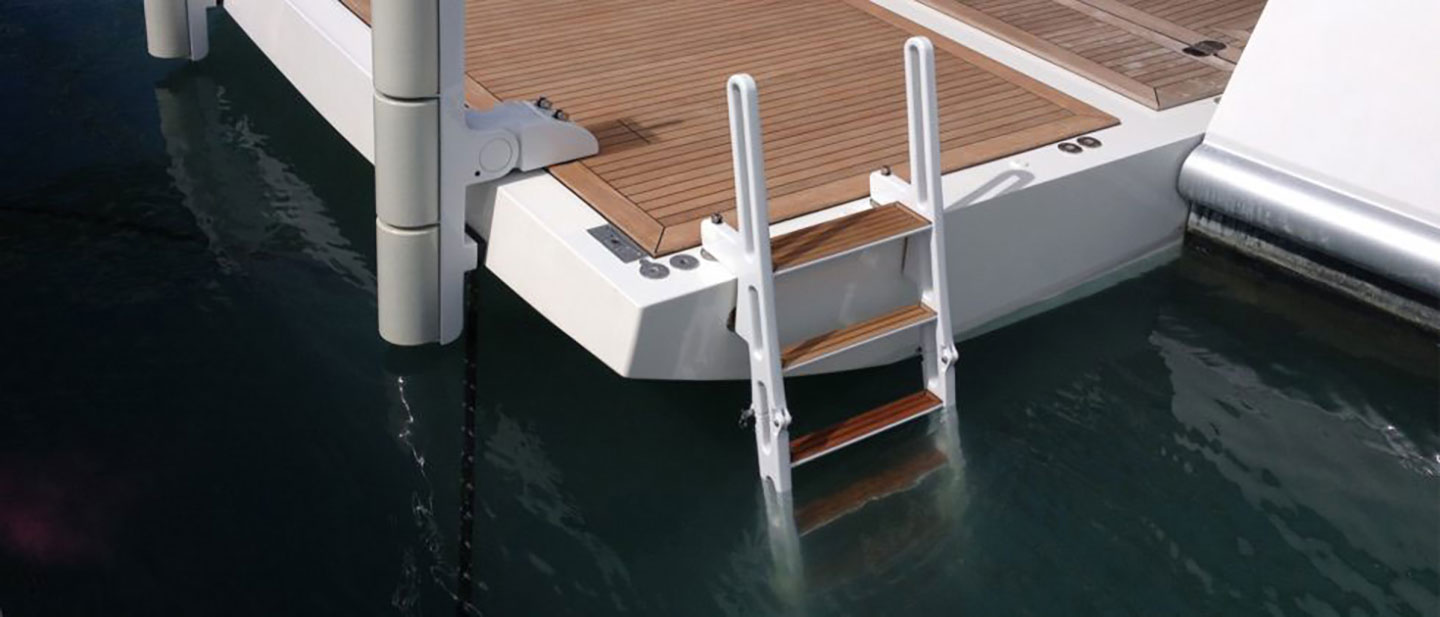
Gangways are exposed whenever they are deployed. Railings remain outside for long periods. Boarding ladders encounter seawater regularly. Other equipment may spend much of its life stored on deck or close to the waterline.
The problem may begin with something relatively minor: a discolored surface, a corroded fitting or a component that no longer moves as smoothly as it once did. Over time, however, small issues can become recurring maintenance tasks.
The Importance of Choosing the Right Material
There are many well-established materials used in marine construction, and the right choice depends on the application. Corrosion resistance should be built into the design from the outset.
This is where rustproof yacht equipment can offer a practical advantage.
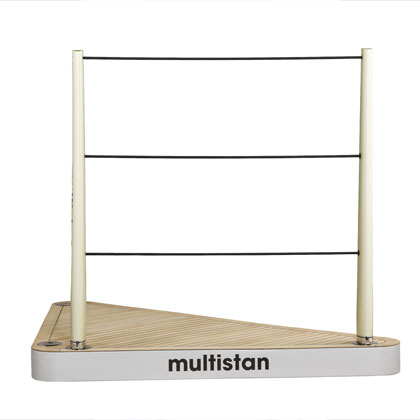
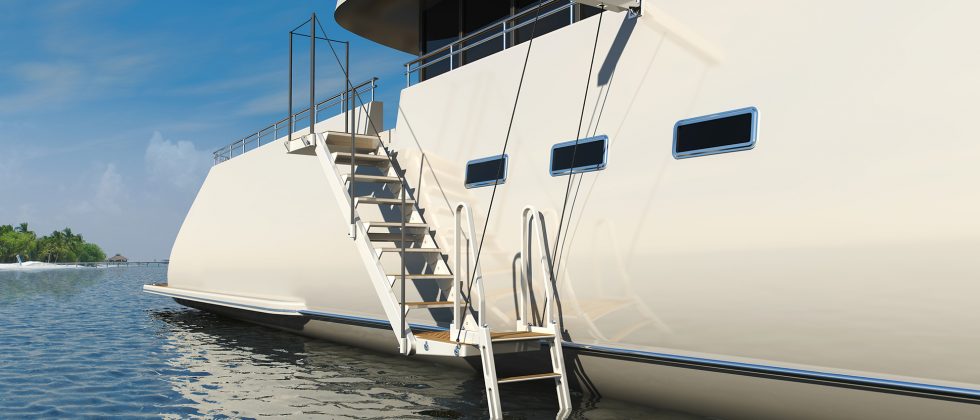
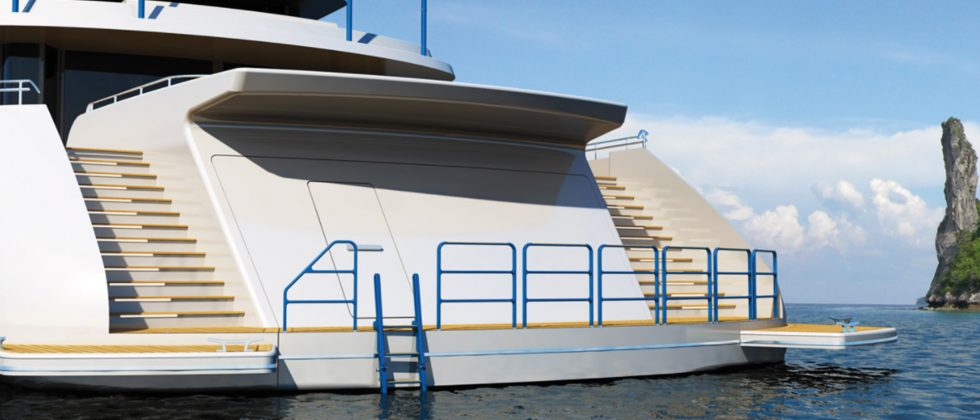
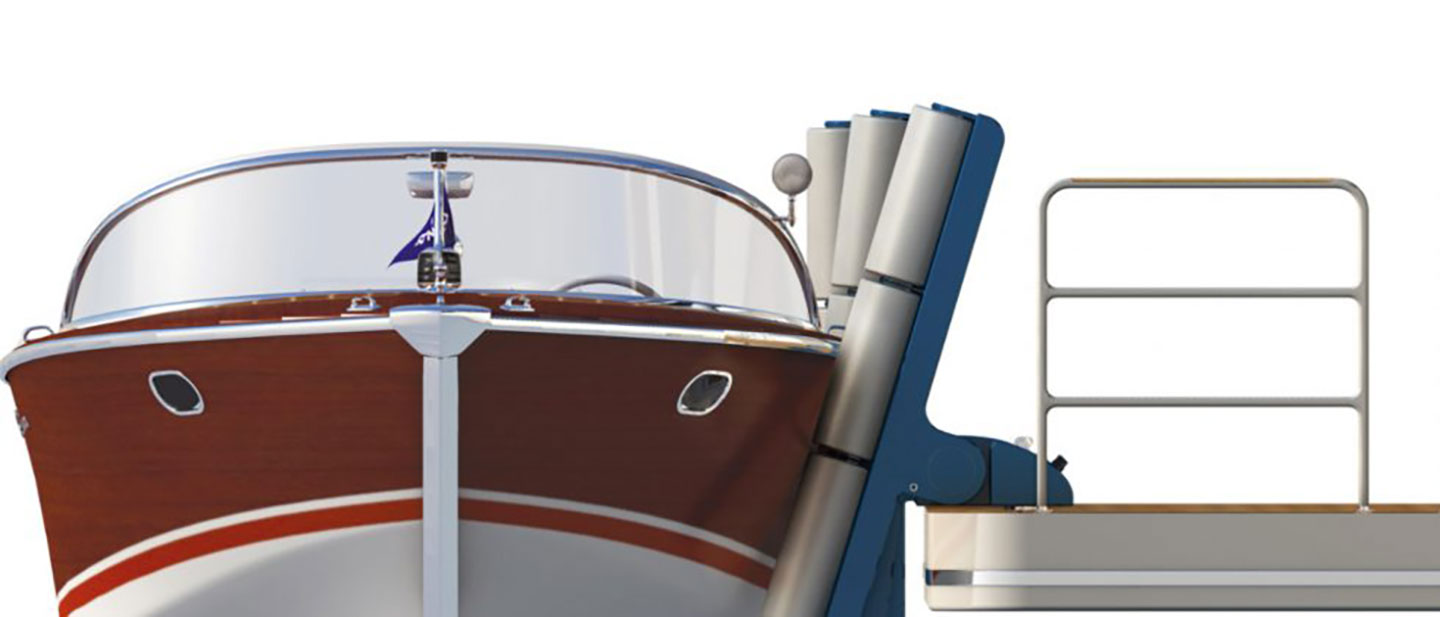
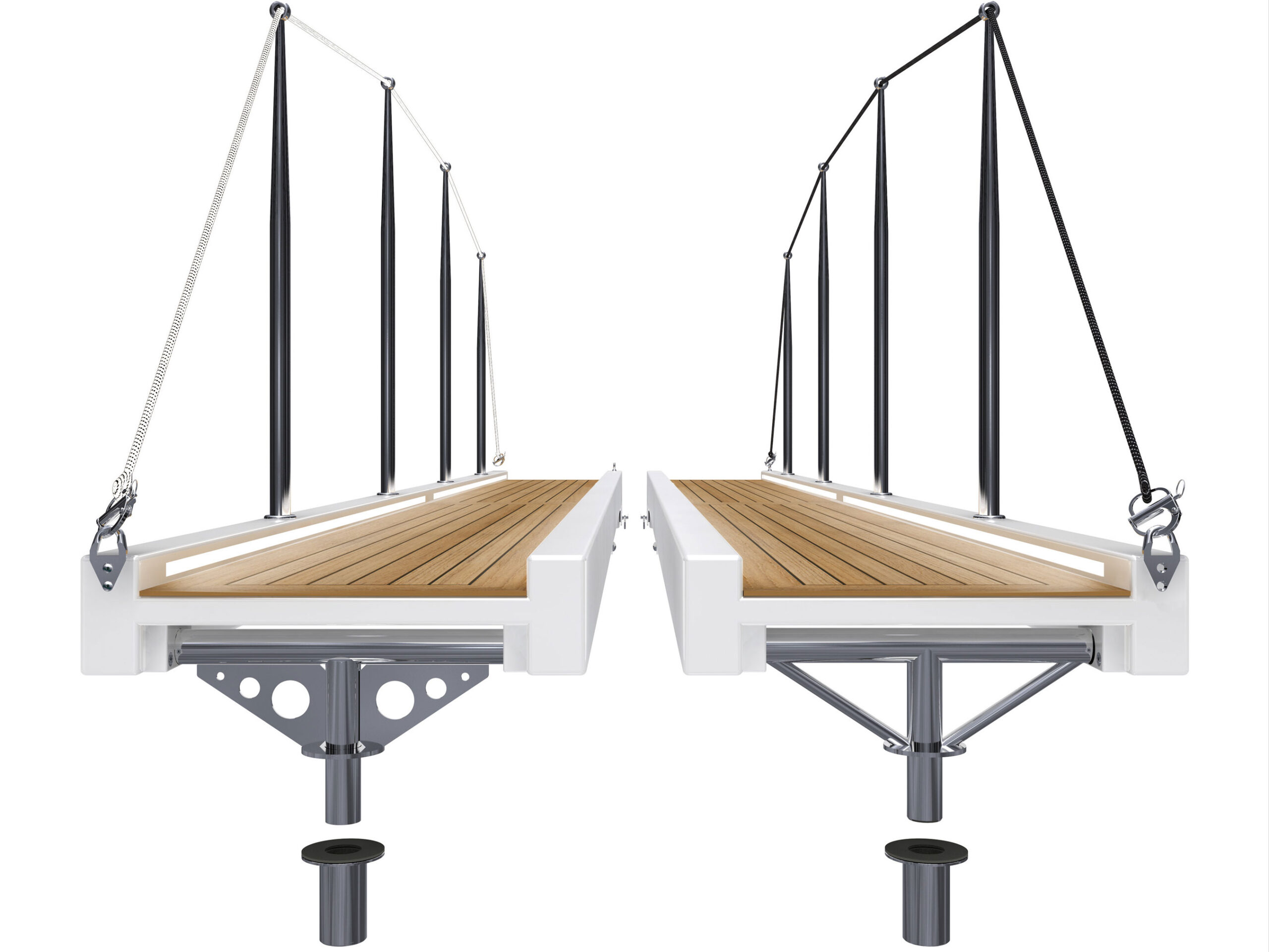
Carbon fibre is inherently resistant to the corrosion associated with seawater. This is one of the many reasons that multiplex has built its yacht equipment around carbon fibre, combining it with carefully selected components where required. Our product range includes carbon fibre gangways, ladders, railings, stairs, and fender systems.
The objective is straightforward:
Choose a material that is suited to its operating environment.
What Corrosion Means For Yacht Maintenance
Corrosion does not necessarily create one large maintenance problem. More often, it creates a series of smaller ones:
● A component needs cleaning
● A fitting needs checking
● A finish needs attention
● A fastener needs replacing
● A moving part needs servicing
Individually, these tasks may seem minor, but aboard a yacht, maintenance time is valuable, and small jobs accumulate.
Reducing avoidable maintenance simplifies day-to-day operations and supports a longer-term strategy. This makes corrosion-resistant yacht systems worth considering at the specification stage, not just during refit.
Looking Beyond the Purchase Price
The least expensive option is not always the most economical over the yacht’s lifespan. When comparing cost, you should consider the following:
● Initial purchase and installation
● Routine inspection
● Cleaning and maintenance
● Replacement components
● Crew time
● Refitting
● Eventual replacement
For equipment exposed to the elements over time, a lower upfront cost can result in higher maintenance and replacement costs later.
Your focus should not just be the purchase price, but the total cost over the equipment’s lifecycle.
Longevity Is a Key Consideration of Quality Yacht Design
Long-term durability starts with the right material and engineering, but also depends on how equipment is used and maintained.
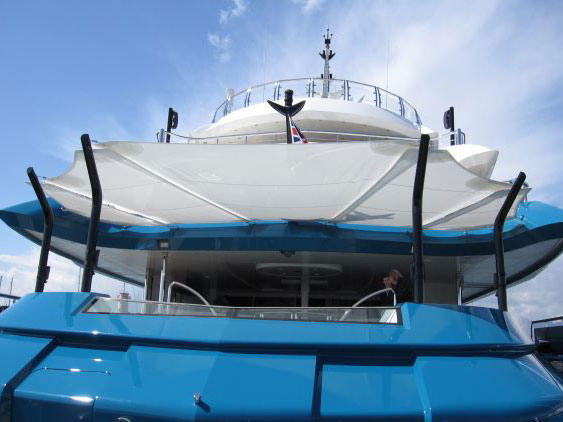
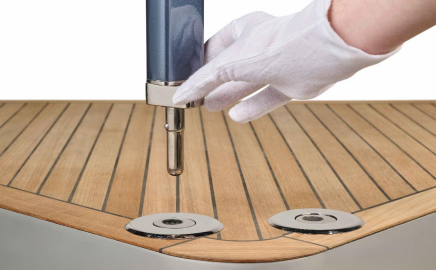
multiplex’s approach is based around developing equipment that is suited to the demands of each project rather than simply adapting conventional products for marine use. For example, our multiguard system uses a carbon fibre structure with stainless steel components and is
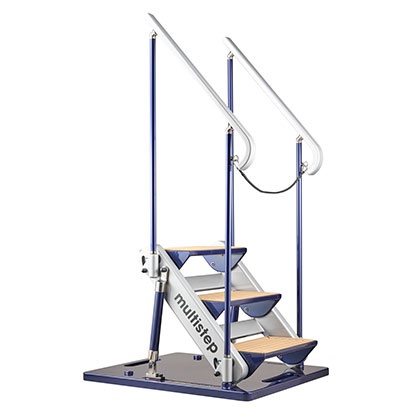
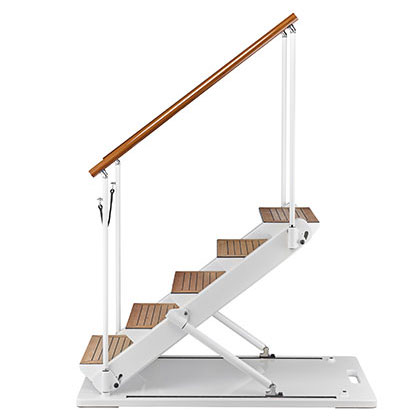
designed for repeated installation, removal, and storage. Similarly, the multistair combines carbon fibre and stainless steel and is individually adapted to the requirements of the yacht.
The material choice is therefore only one part of the solution.
Where Carbon Fibre Makes Sense
Carbon fibre is particularly useful when equipment needs to withstand the marine environment while also being handled or stored regularly.
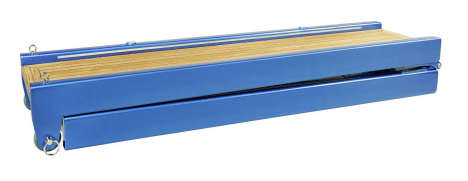
The multiflap gangway’s carbon fibre construction provides a weather-resistant structure while keeping the gangway light enough for one person to mount or remove it. Its hinge system also helps reduce the space needed for storage.
The benefit is not simply corrosion resistance. Material selection helps address several practical requirements at once.
Rust Prevention Starts Before the Yacht Leaves the Yard
The best opportunity to reduce corrosion-related issues is during specification. Once a yacht is in service, replacing or modifying equipment can be more complex. At the design stage, material selection can be considered alongside:
● The location of the equipment
● How often it will be used
● Where it will be stored
● Exposure to seawater
● Access for maintenance
● Crew handling
● The expected service life
This helps designers and shipyards account for the conditions the equipment will face as part of the wider yacht.
A Quieter Approach to Maintenance
Good equipment should work when needed, store away easily and avoid creating unnecessary work for the crew.
That is particularly valuable on a yacht, where equipment needs to combine appearance with dependable everyday performance. For multiplex, this reflects our wider philosophy of making things simpler, lighter, easier, and more convenient.
Choosing For the Years Ahead
Corrosion is unavoidable when at sea, but unnecessary maintenance is not. Considering material selection early can help support longer service life and simpler maintenance.
Corrosion-resistant yacht equipment is about more than protecting a component’s appearance. It is about reducing avoidable maintenance throughout its working life. For yachts operating in saltwater, choosing materials with the environment in mind can make a meaningful difference.
The best rustproof yacht equipment is designed not just for today, but for the years ahead.