

Why Carbon Fibre Is the Material of Choice for Superyacht Boarding Systems
In superyacht design, every component is expected to deliver more than basic functionality. Equipment must be strong enough for demanding marine environments, light enough to handle efficiently, and refined enough to complement the yacht’s architecture. Boarding systems are a perfect example.
A gangway may be used habitually during a season, carrying guests, crew, luggage and provisions between the yacht and shore. It must remain stable under load, withstand constant exposure to saltwater and weather, and be simple for crew to handle. At the same time, it should look like it belongs on the yacht.
This combination of requirements has made carbon fibre an increasingly compelling material for modern superyacht boarding systems. For multiplex GmbH, however, carbon fibre is more than a recent innovation. It has been central to the company’s approach to lightweight marine equipment for years, with products engineered around the material’s unique combination of strength, low weight and environmental resistance.
Why Material Choice Matters
Traditional marine equipment has typically relied on aluminium or stainless steel because both materials offer proven strength and durability. But superyachts present a different set of requirements.
Weight, handling, storage, corrosion resistance and aesthetics all become increasingly important as vessels become larger and more sophisticated. A boarding system that is technically capable but unnecessarily heavy can place additional demands on crew and onboard infrastructure. Carbon fibre provides an alternative approach.
Carbon Fibre vs Aluminium vs Stainless Steel
The choice between carbon fibre, aluminium and stainless steel depends on the application, but the differences become particularly relevant when designing equipment that must be deployed and handled regularly.
Carbon Fibre
Carbon fibre offers an exceptional strength-to-weight ratio, making it particularly well suited to lightweight yacht equipment.
Its key advantages include:
• Very low weight
• High structural stiffness
• Resistance to corrosion
• Resistance to deformation
• Excellent durability in marine environments
• Premium visual appearance
• Reduced manual handling requirements
For a superyacht boarding system, these characteristics can translate directly into easier operation and improved crew efficiency.
Aluminium
Aluminium has long been used throughout the marine industry because it is relatively lightweight, strong and readily available. However, aluminium remains significantly heavier than carbon fibre for comparable structural applications and requires appropriate protection against the marine environment.
Stainless Steel
Stainless steel provides excellent strength, durability and a premium finish. It is widely used in yacht construction and equipment, particularly where rigidity and impact resistance are important. Its principal disadvantage for movable boarding equipment is weight. For this reason, carbon fibre is particularly attractive where lightweight handling is a priority.
The Weight Advantage
Weight reduction is one of the most important advantages of carbon fibre in superyacht equipment. Consider a boarding system that needs to be manually installed, removed or repositioned by crew. Every additional kilogram increases the physical effort required during operation.
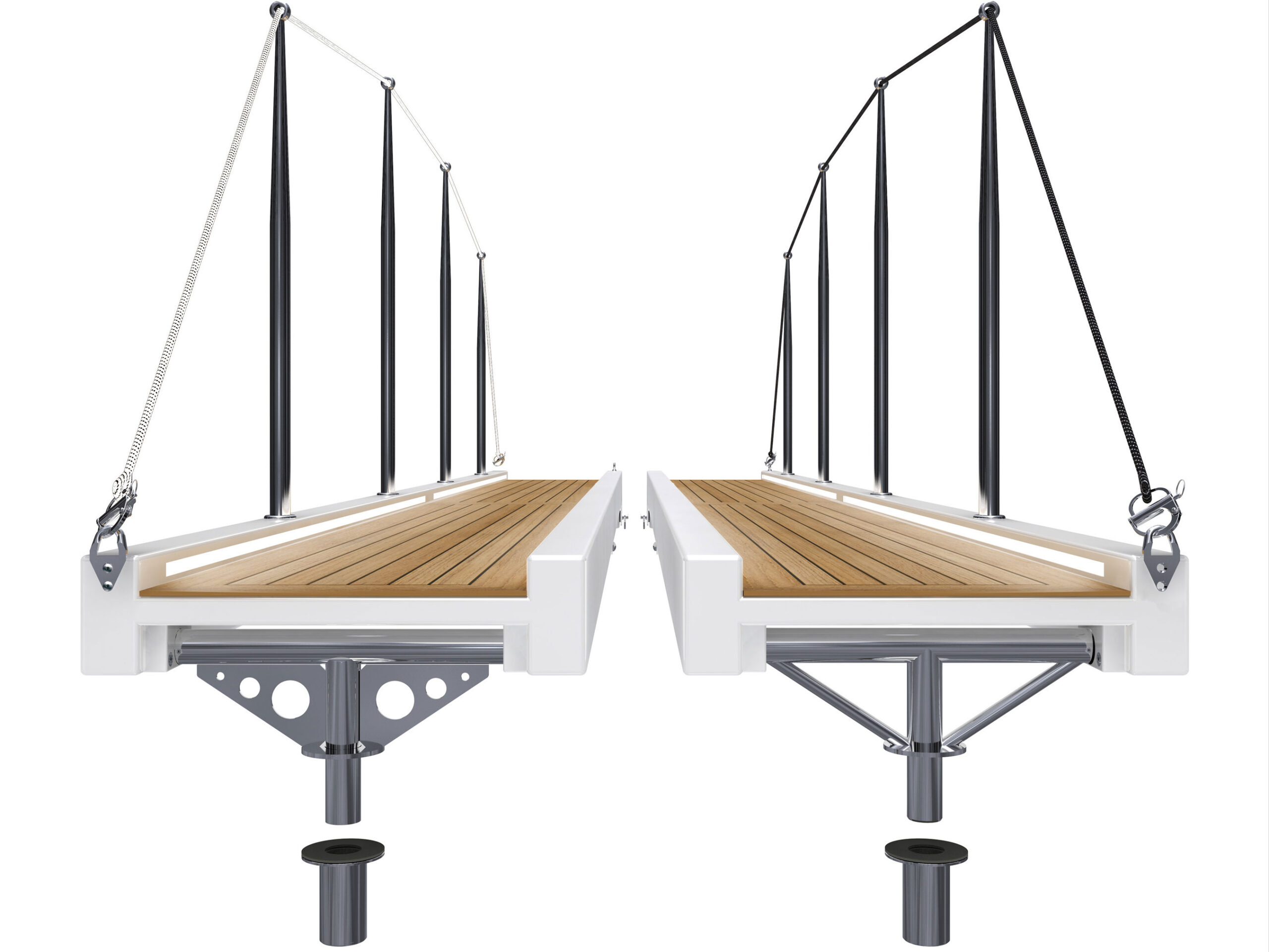
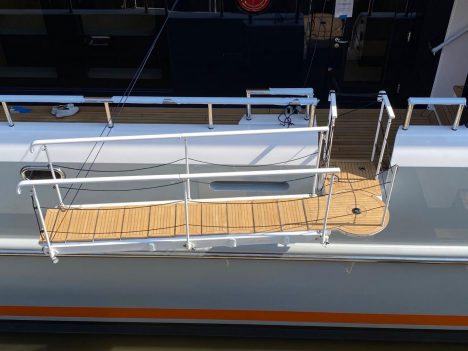
Multiplex’s multiflap carbon fibre gangway, for example, weighs approximately 4.4 kg per metre, while maintaining a 250 kg safe working load. That combination illustrates the fundamental advantage of carbon fibre: achieving substantial structural performance without adding unnecessary mass.
For crew, this can mean:
• Easier installation
• Simpler removal
• Safer handling
• Reduced physical strain
• More efficient storage
• Greater freedom when positioning equipment
In a yacht environment where equipment may need to be handled quickly and repeatedly, reducing weight is not simply a technical benefit. It is an operational one.
Strength Without Unnecessary Weight
Lightweight does not mean fragile. Carbon fibre can provide exceptional stiffness and structural strength while maintaining a fraction of the weight of traditional materials.
For boarding systems, this is particularly valuable. A gangway must remain stable while supporting people and equipment, resist movement and maintain its structural integrity during repeated use.
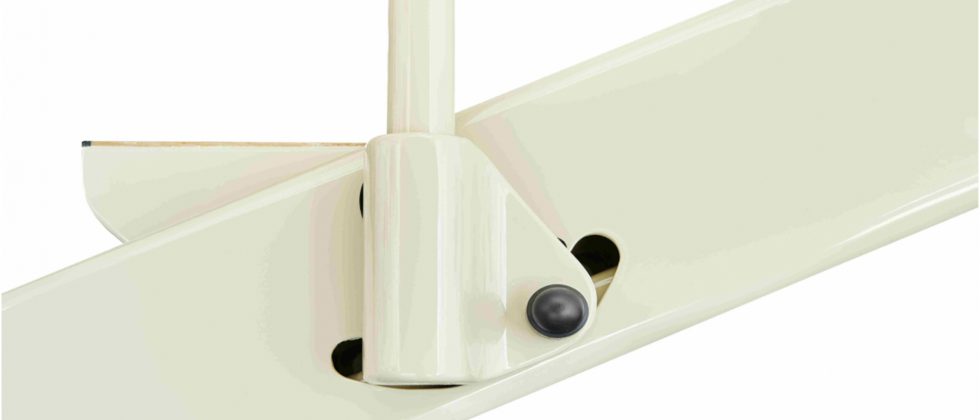
The multiflap demonstrates this approach through its carbon fibre construction, with high quality components and a hinge system engineered for substantial load-bearing performance.
Performance in the Marine Environment
Superyacht equipment operates in one of the most demanding environments imaginable. Saltwater, humidity, UV exposure, changing temperatures and constant use all place significant demands on materials. Corrosion is therefore a major consideration when selecting equipment.
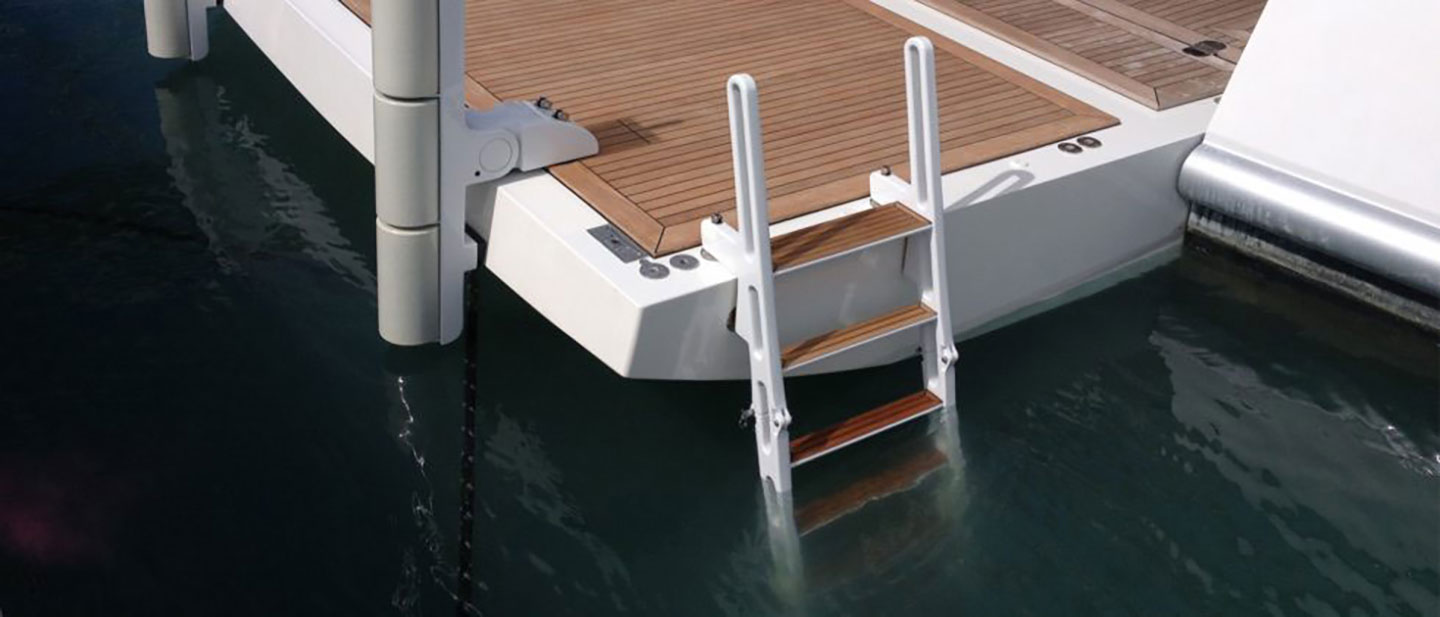
Carbon fibre itself does not rust or corrode in the same way as conventional metals. This makes it particularly attractive for exposed boarding systems, ladders and other equipment positioned close to the waterline.
Carbon Fibre and Safety
Safety is fundamental to every superyacht boarding system. A gangway must provide reliable support under load while remaining stable during boarding. It also needs to be sufficiently light for crew to handle safely.
Multiplex combines carbon fibre construction with features such as anti-slip walking surfaces, handrails and stabilisation systems to create boarding solutions designed around safe, practical operation. The multiflap’s jumper system, for example, helps stabilise the gangway against waves and lateral movement, adding another layer of operational stability.
Explore the multiguard Safety System
Designed for Storage as Well as Deployment
The advantages of carbon fibre extend beyond the moment a gangway is in use. On a superyacht, storage space is valuable. Every piece of equipment must have a logical place onboard, particularly when it is large enough to accommodate guests and crew.
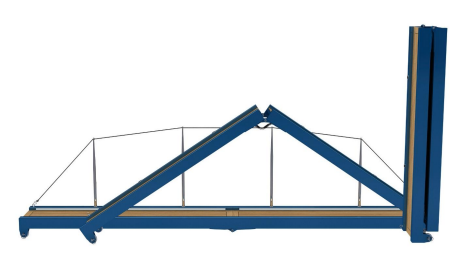
Multiplex’s multiflap can also be specified in a foldable configuration. Its central hinge system allows the gangway to fold in half, significantly reducing the space required for storage.
Carbon Fibre as a Design Material
Performance is only part of the equation on a superyacht. Equipment must also complement the yacht’s visual identity. Carbon fibre naturally lends itself to contemporary yacht design, offering a clean, technical appearance that can be incorporated into highly refined exterior environments. Multiplex takes this further through extensive customisation options.
The multiflap can be specified with different:
• Lengths and widths
• Teak or anti-slip walking surfaces
• Carbon or stainless steel stanchions
• Carbon or teak handrails
• LED illumination
• Colours and finishes
• Vessel branding
This allows the boarding system to become part of the yacht’s design rather than appearing as a piece of equipment added afterwards.
Carbon Fibre Across the Multiplex Range
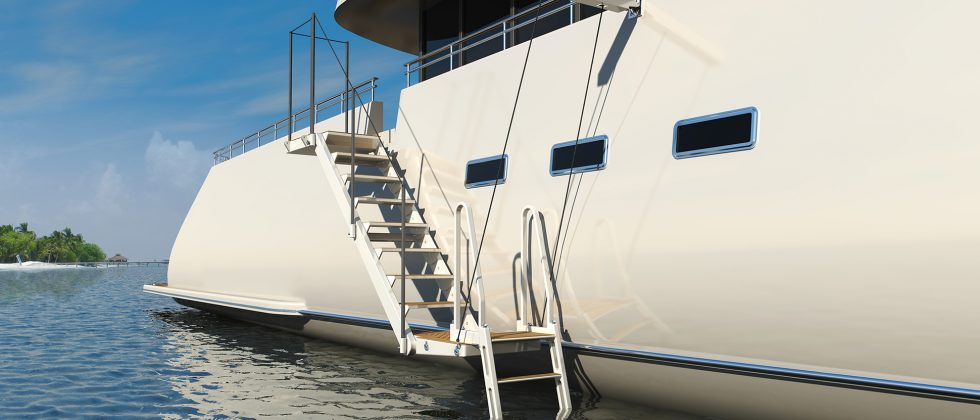
The use of carbon fibre is not limited to one multiplex product. It forms part of a broader engineering philosophy spanning the company’s superyacht equipment range, including boarding systems, ladders, stairs, safety systems and other custom marine solutions.
The objective is consistent: use advanced materials to reduce weight while maintaining the strength, durability and refinement expected in the superyacht sector.
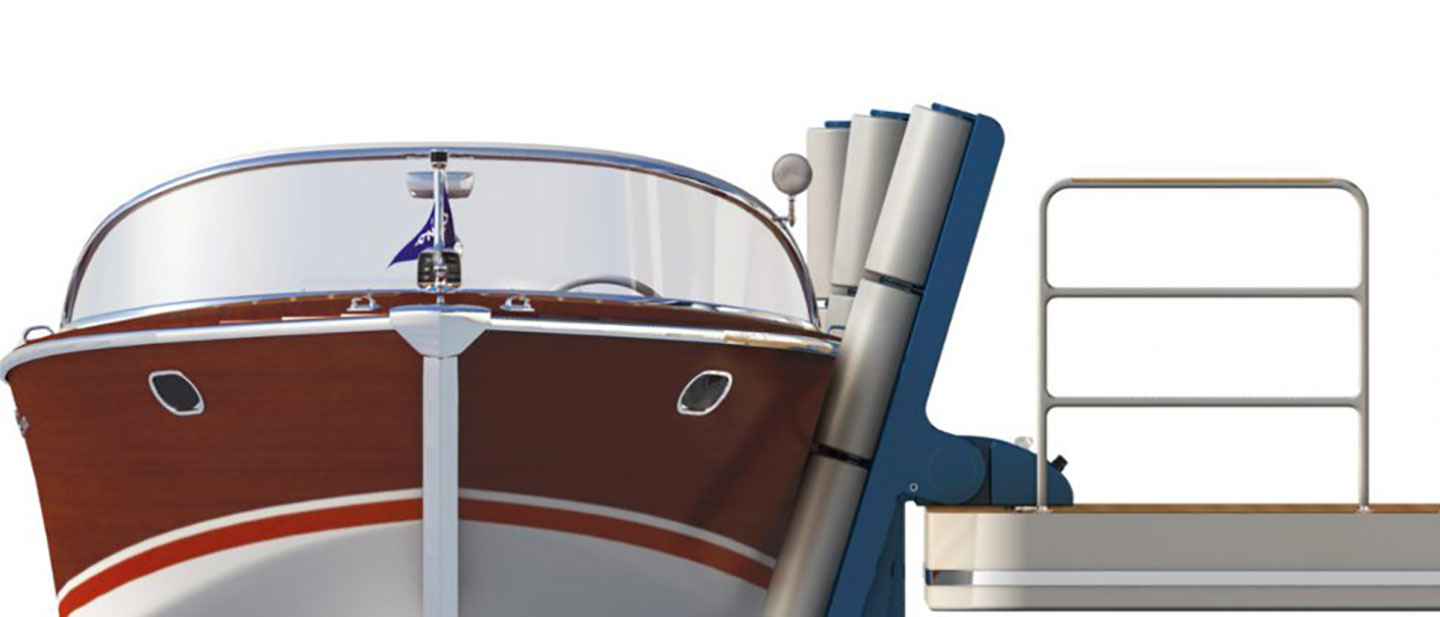
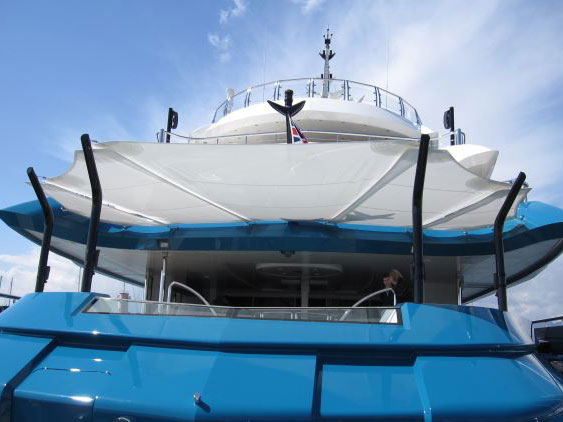
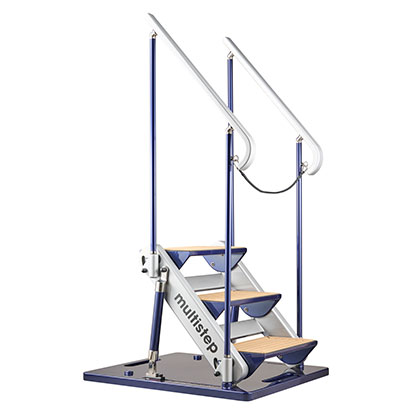
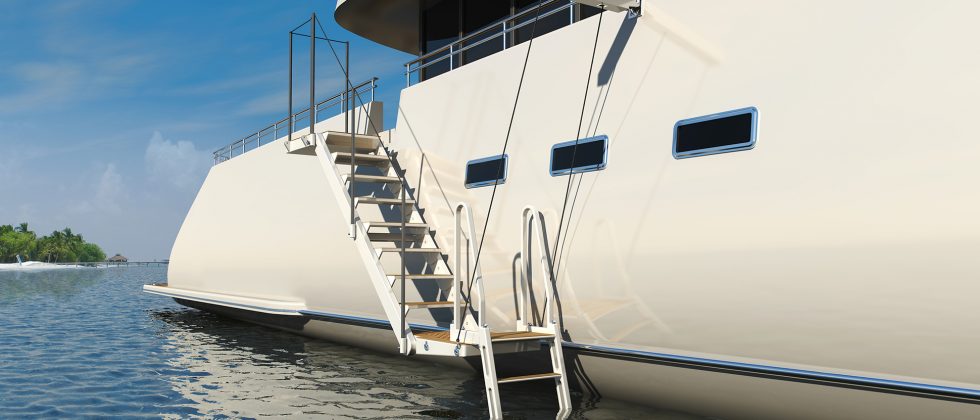
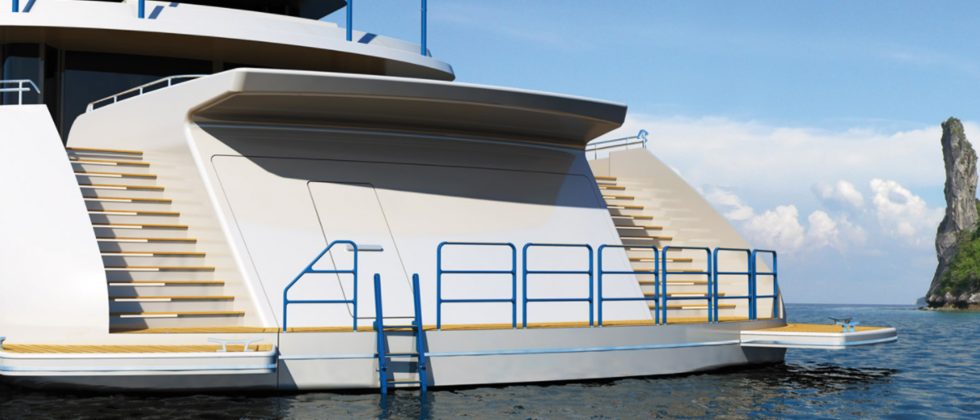
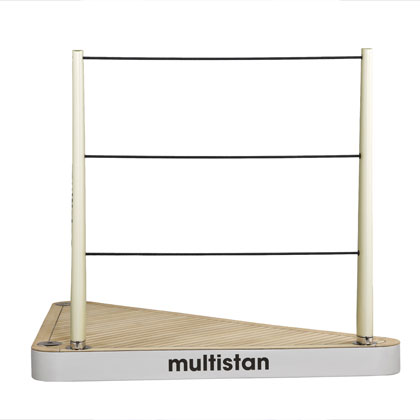
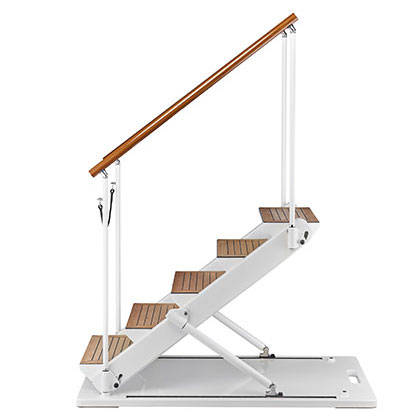
This approach is particularly evident across products such as the multiflap, multiladder, multistair, multiguard and multistan where lightweight engineering and bespoke design are combined with practical marine functionality.
From Material Innovation to Bespoke Engineering
For Multiplex, carbon fibre is not simply an alternative to metal. It is a material that enables a fundamentally different approach to yacht equipment.
Its combination of low weight, structural performance and environmental resistance allows designers and shipyards to rethink how boarding and access systems are specified.
Instead of asking how much weight a conventional system can support, the focus becomes how that same performance can be achieved with less weight, less effort and greater design freedom.
That philosophy has helped establish Multiplex as a specialist in carbon fibre superyacht equipment, with solutions developed around the specific requirements of each vessel.
Learn More About Our Expertise
The Future of Superyacht Boarding Systems
As yacht design continues to prioritise efficiency, comfort and intelligent use of space, the importance of lightweight materials will only increase.
Carbon fibre offers a compelling combination of:
• Strength for demanding applications
• Lightweight construction for easier handling
• Corrosion resistance for long-term marine use
• Design flexibility for bespoke yacht integration
• Operational efficiency for owners and crew
For superyacht boarding systems, these benefits come together. A carbon fibre gangway represents a different engineering approach, one where material technology, safety, usability and design are considered together from the beginning.
With its established expertise in carbon fibre manufacturing and a portfolio of bespoke lightweight yacht equipment, multiplex continues to demonstrate what is possible when advanced materials are applied to the demands of modern superyachting.
Looking for a tailored solution for your superyacht? Multiplex develops bespoke carbon fibre equipment designed around the individual requirements of each vessel.